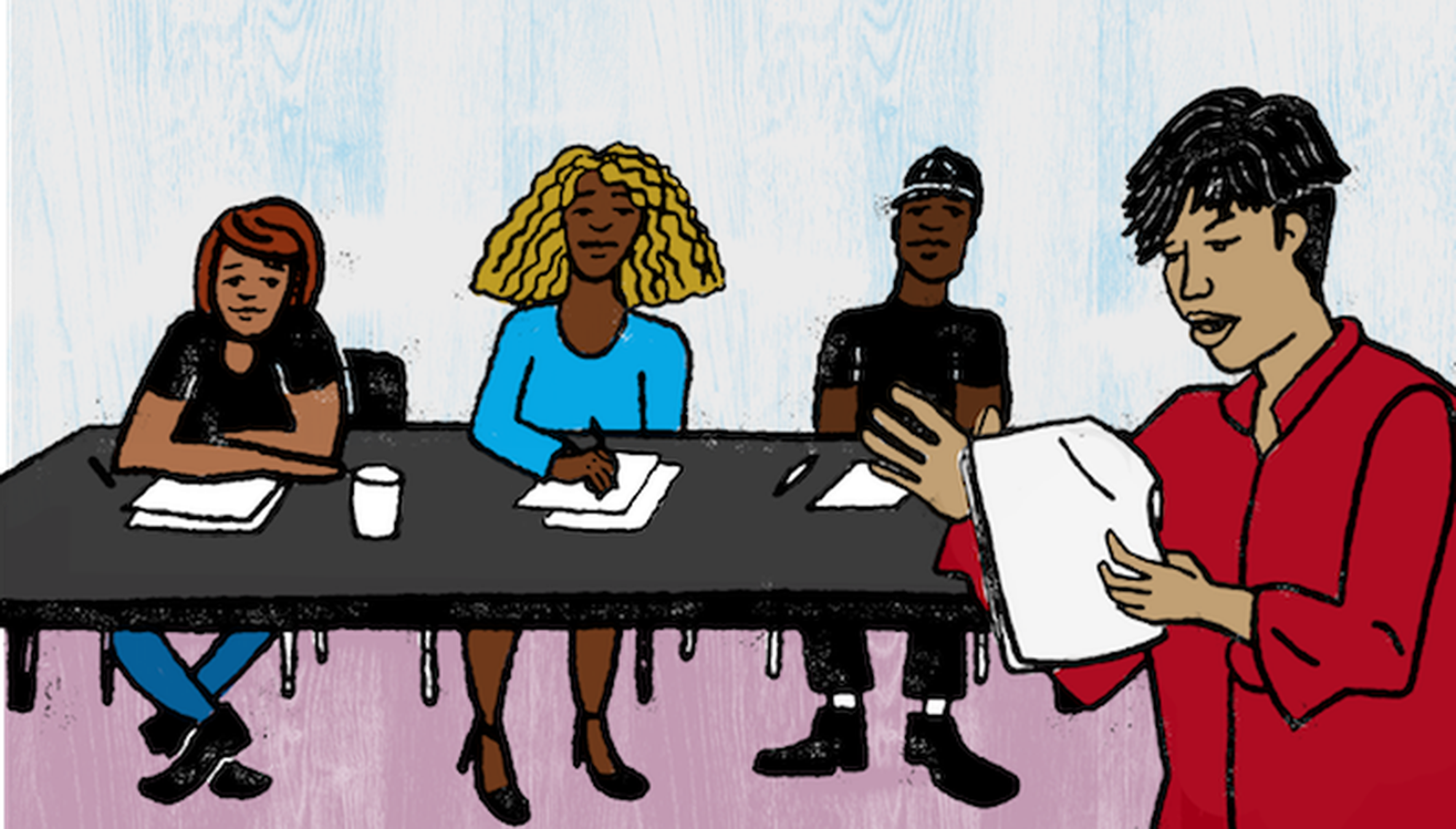

Self-tapes are now a permanent part of the audition process. Whether you love them or hate them, casting directors see hundreds every week — and most tapes are eliminated for the same few avoidable reasons.
Talent matters.
But breaking certain self-tape rules can take you out of consideration before your work is even watched properly.
Here are the non-negotiables.
1. Ignore the Instructions
This is the fastest way to get cut.
If the breakdown says:
- slate first → slate first
- horizontal → horizontal
- full body → full body
- specific sides → those sides
Do exactly that.
Casting isn’t testing creativity here — they’re testing professionalism and reliability.
If you don’t follow instructions, they assume you won’t on set.
2. Bad Sound
Casting will forgive many things.
They will not forgive audio they can’t hear.
Common mistakes:
- echoey rooms
- background noise
- music playing
- recording too far from the mic
If they have to strain to understand you, they move on.
📌 Clear sound > fancy camera every time.
3. Distracting Backgrounds
Your background should disappear.
Avoid:
- clutter
- artwork
- bright colors
- windows behind you
Neutral, simple, clean.
The focus should always be you, not your space.
4. Overacting for the Camera
This is one of the most common self-tape mistakes.
Casting does not want:
- big theatre gestures
- forced intensity
- “audition energy”
They want:
- natural behavior
- truth
- listening
Self-tapes reward subtlety and honesty.
If it feels pushed, it reads fake on camera.
5. Wrong Framing
If they ask for:
- close-up → don’t give full body
- mid-shot → don’t cut your head off
Typical safe framing:
- chest to top of head
- eyes near the upper third of the frame
Bad framing pulls focus away from your work.
6. Eye Line Directly Into the Camera
Unless explicitly requested, don’t look straight into the camera while performing.
Your reader should be:
- just off camera
- slightly to the side
Direct eye contact with the lens often feels unnatural and uncomfortable for casting.
7. Slates That Go On Forever
Your slate should be:
- calm
- clear
- short
Name.
Height (if requested).
Location (if requested).
This is not a performance.
This is logistics.
8. Editing Tricks
No:
- background music
- fancy transitions
- filters
- dramatic cuts
Casting wants to see your raw work, not a production.
Simple, clean, honest tapes always win.
9. Submitting Late
A strong tape submitted late is often a missed opportunity.
Self-tape culture moves fast.
Casting may start watching submissions as they come in.
Being early — or at least on time — matters more than perfection.
10. Forgetting the Human on the Other Side
Casting directors are people watching dozens (sometimes hundreds) of tapes.
Help them by being:
- clear
- prepared
- easy to watch
Your job is not to impress.
Your job is to make their decision easier.
Final Reminder
A self-tape doesn’t need to be perfect.
It needs to be professional, clear, and honest.Most actors aren’t cut because they lack talent —
they’re cut because of avoidable technical mistakes.

Related Posts